What We Do
Stories gathered, researched, created, and preserved.
Million Memory Project combines oral history, archival research, publishing, preservation, and technology to transform interviews, photographs, documents, and lived experience into books and lasting archives.
Technology enables the work. Research strengthens it. Publishing shares it. Preservation ensures it endures.
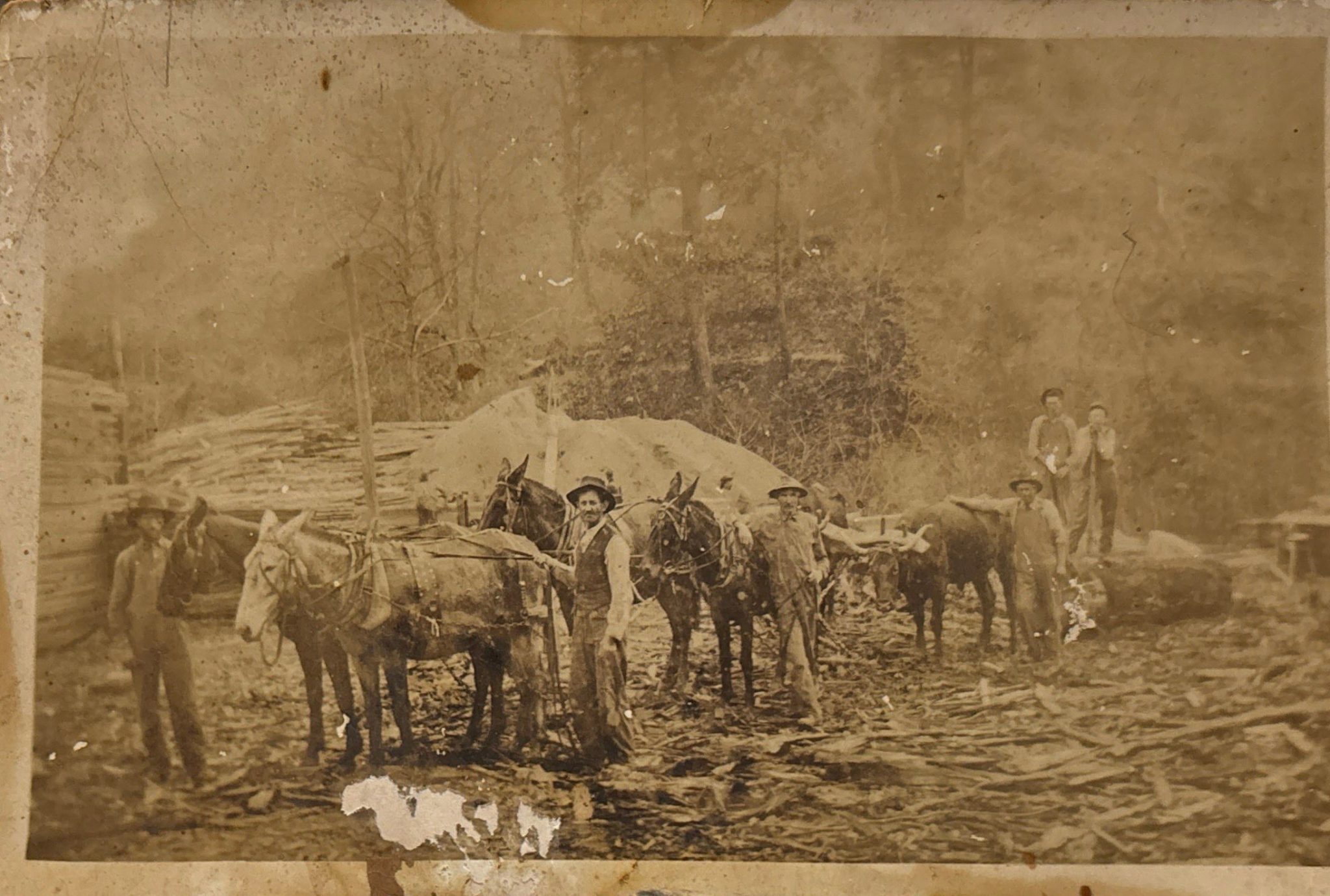
Built for storytelling
A publishing process supported by archival systems.
01
Publishing
We create books from real stories, shaping interviews, photographs, documents, and research into narrative works designed to be read, shared, and returned to over time.
02
Preservation
Every project contributes to a larger preservation effort: digitized materials, oral histories, photographs, captions, documents, metadata, and source records organized for long-term stewardship.
03
Technology
Our systems help us manage complex collections, maintain provenance, organize source material, support research workflows, and scale the work without losing the human dimension of storytelling.
Our process
01
Gather
Interviews, photographs, documents, recordings, and field materials.
02
Research
Context, verification, source review, and historical framing.
03
Create
Editorial development, design, production, and publishing.
04
Preserve
Structured archives, metadata, redundant storage, and future access.
Phase 01 — Gather
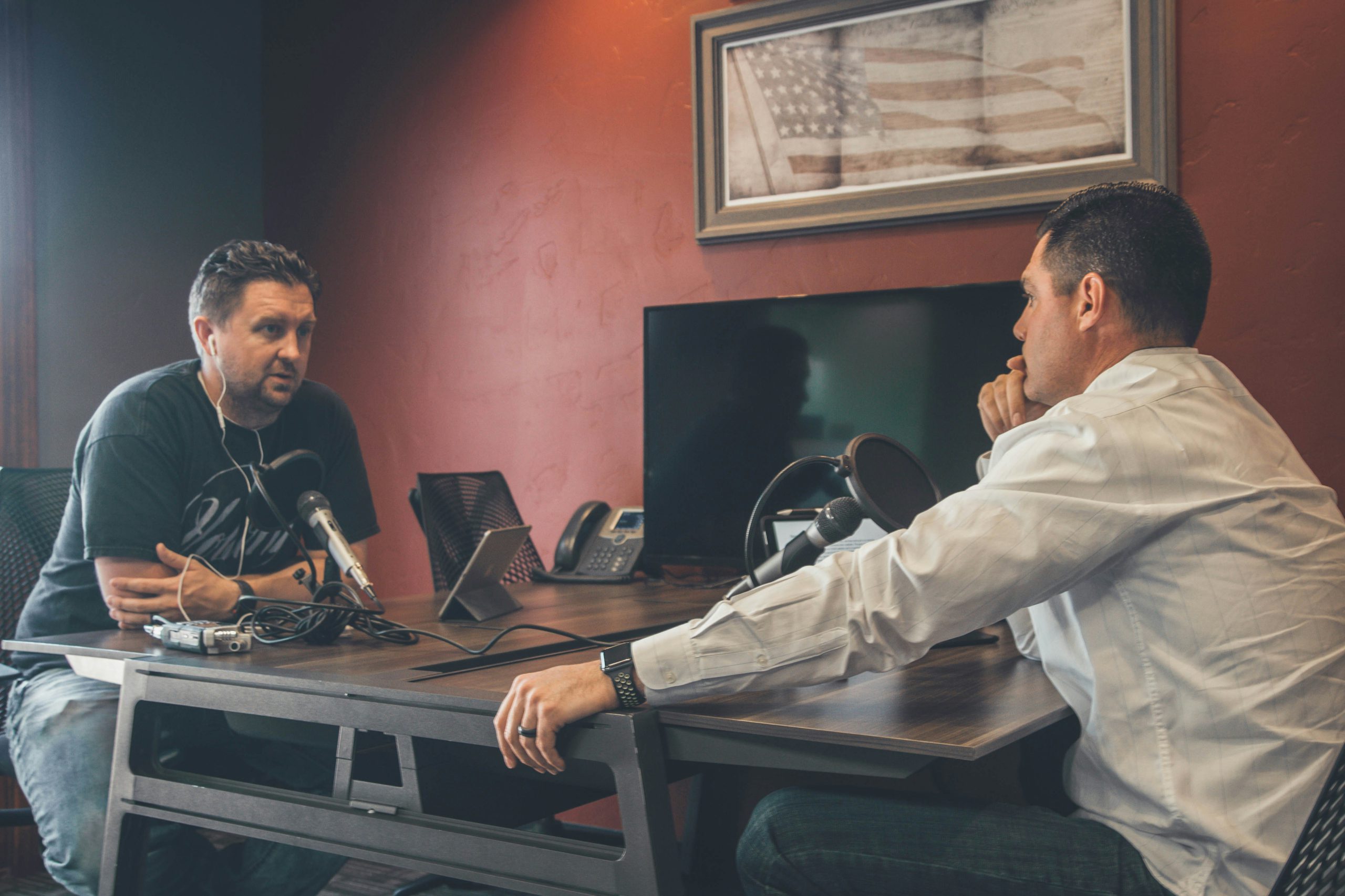
Gathering stories begins with trust.
Every project begins in conversation. We conduct interviews, record oral histories, and collect primary materials directly from the people, families, artists, institutions, and communities at the center of the story.
This work often happens outside traditional archival environments: in homes, churches, music venues, community centers, schools, and small-town meeting rooms. The process has to be flexible enough for the field and structured enough for long-term preservation.
Supporting systems
Collection management
Structured intake for interviews, photographs, documents, captions, contributor information, and project context.
Digital ingestion
Workflows for uploading, organizing, and preserving raw media and source files from the beginning of a project.
Metadata capture
Names, places, dates, descriptions, usage notes, and provenance captured while the material is still close to its source.
Rights & consent tracking
Contributor permissions and publication rights documented as part of the collection process, not treated as an afterthought.
Phase 02 — Research
Research gives memory its context.
Raw material alone is not enough. We place every story within its broader historical, cultural, geographic, and personal context, using archival records, regional histories, library collections, scholarly sources, and direct subject review.
Technology helps us move through large collections without flattening them. Search, cataloguing, transcripts, tags, and source records help us find connections. Human researchers decide what those connections mean.
Supporting systems
Transcript search
Searchable interview transcripts help researchers return quickly to names, places, themes, and quoted passages.
Research sets
Scoped collections of source material allow teams to focus on a defined subject, chapter, project, or question.
Source verification
Claims, dates, captions, names, and historical context are checked before they become part of the published narrative.
Connection mapping
Structured records help reveal relationships between people, places, events, images, interviews, and documents.


Phase 03 — Create
The archive becomes a book.
With gathered material and grounded research in hand, we shape the story. Editorial development, image sequencing, design, typography, captions, and production all work together to create books that are both beautiful and responsible.
Publishing from archival material requires discipline. Every quote, image, caption, and claim should remain connected to its source. Our systems help keep the manuscript, archive, permissions, and production files aligned as the project moves toward publication.
Supporting systems
Provenance tracking
Images, quotes, documents, and captions remain connected to the records they came from.
Editorial review
Drafts, notes, subject review, corrections, and approval checkpoints support accuracy and consent.
Asset management
High-resolution images, captions, transcripts, scans, and source files remain organized through production.
Publishing workflows
Structured content and production systems support print, digital, and future export formats.
Phase 04 — Preserve
Publishing is not the end of the work.
A book is one output of a larger preservation effort. The archive behind the book — interviews, photographs, documents, metadata, permissions, and research notes — remains part of the project’s long-term value.
Preservation is more than storage. Storage means a file exists. Preservation means that material remains findable, readable, understandable, and useful years from now, even as platforms, formats, and institutions change.
Supporting systems
Digital preservation
Materials are organized for long-term custody, future research, and responsible access.
Redundant storage
Multiple storage locations and backup workflows reduce the risk of loss from any single failure point.
Institutional partnerships
Where appropriate, collections can be prepared for libraries, archives, universities, and cultural institutions.
Discovery infrastructure
Metadata, descriptions, transcripts, and relationships help future researchers find and understand the material.
What guides us
Principles behind the process.
01
Technology enables story
Technology is part of who we are, but it exists in service of the work. Systems help us gather, organize, research, and preserve material without replacing editorial judgment or community knowledge.
02
Research is responsibility
Stories deserve rigor. We verify claims, contextualize memory, document sources, and give subjects and communities the opportunity to review what we write about them.
03
Community over efficiency
We do not move faster than trust allows. The relationships behind a project are not a delay before the work begins — they are the foundation of the work itself.
04
Preservation as publishing
A book carries the story into the world. The archive behind it carries the record forward. We treat both as essential parts of the same mission.
The work is the story. The system is what makes it last.
Explore the books, projects, and partnerships that come out of this process — or learn how Sound Archive Books works with artists and cultural organizations.