Our Story
Stories are the oldest archive we have.
Million Memory Project was built on one enduring belief: that the stories people carry in their lives — in their voices, their photographs, their memory — deserve the same care and permanence as any historical record.
Why we exist
“Every day, stories disappear. Not because they aren’t worth keeping — but because no one had the time, the tools, or the conviction to preserve them. We exist to change that.”
Where it began
A question about what gets remembered — and what doesn’t.
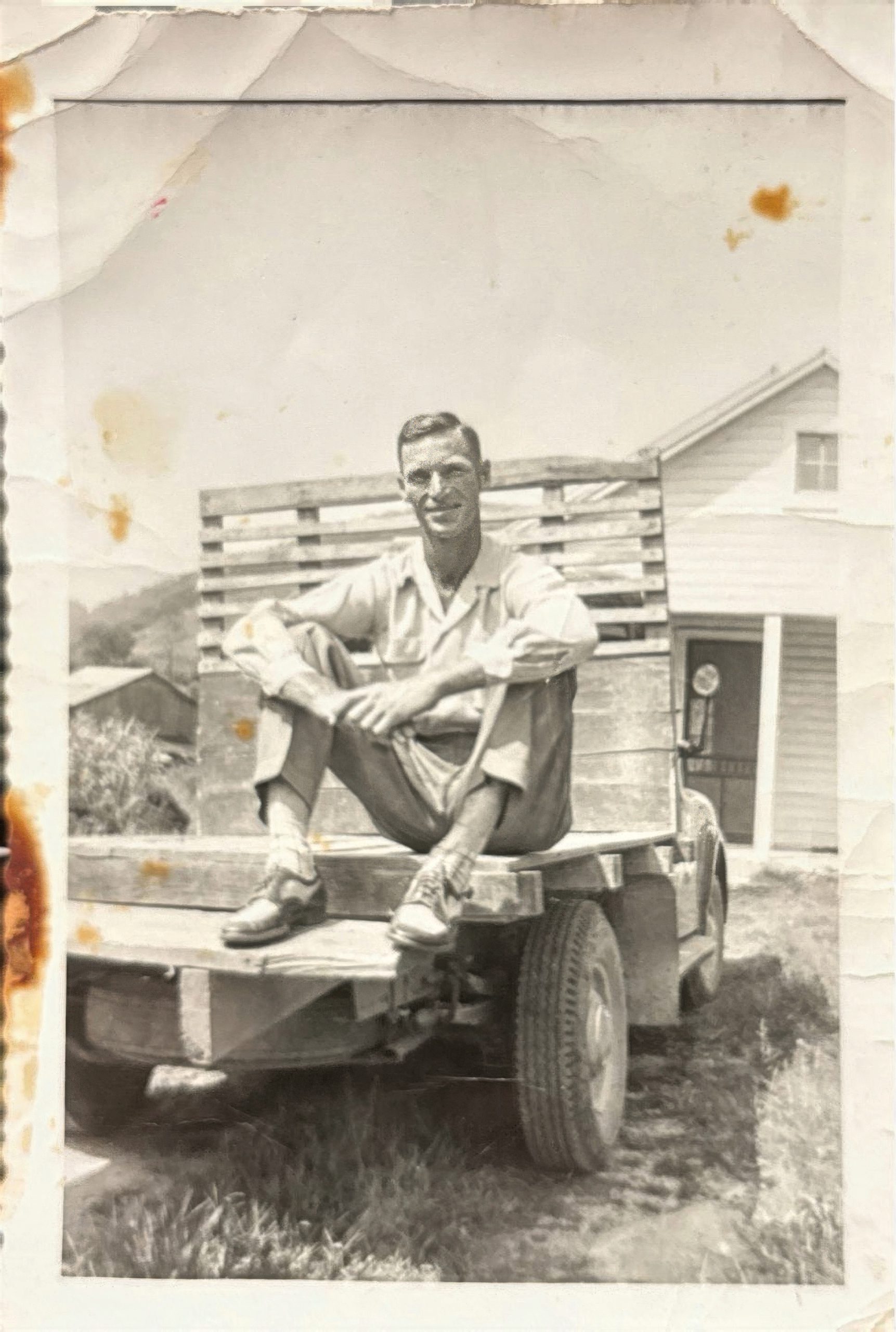
The organization grew from work already underway in the Appalachian region — oral history interviews, community documentation, local preservation efforts that revealed how much was at risk of being lost entirely. It became clear that the problem wasn’t just regional. Stories everywhere were disappearing, and the infrastructure to preserve them simply didn’t exist at the scale required.
Million Memory Project was built to create that infrastructure — for communities, for artists, for cultural organizations, and for the broader public record.
01
“Every story that goes unrecorded is a thread lost from the larger fabric of who we are.”
02
“Preservation is an act of respect — for the person, for the community, for the future reader we cannot yet imagine.”
03
“Technology finds connections. People decide what they mean. That distinction is everything.”
How we got here
A short history
2018
First oral history interviews, Western North Carolina
The work began in the field — recording voices, collecting photographs, documenting Appalachian communities before the people who carried these stories were gone.
2020
Appalachian Memory Project formalized
The regional preservation work became a structured imprint with its own methodology, archive systems, and publishing program.
2022
Sound Archive Books opens to clients
Recognizing that musicians, artists, and cultural organizations faced the same preservation challenges, we opened a client-facing imprint to extend the methodology beyond regional work.
2023
Through Our Eyes launched
A third imprint dedicated to collaborative, multi-perspective documentary storytelling — bringing together communities, events, and shared human experiences in book form.
Now
Million Memory Project — a publishing and preservation organization
Three imprints, a growing archive, active fieldwork, and a methodology that treats every story as worth the full weight of research, editorial craft, and permanent preservation.
“
We are not simply a publishing company. We are a storytelling, archival preservation, research, and publishing organization — and that distinction shapes everything we do.
What we stand for
Books are the primary public-facing output of our work. But publishing is only one part of the larger mission. The archive, the research, the fieldwork — these are not support functions. They are the work itself.
Storytelling over technology
Community before efficiency
Research as responsibility
Preservation as the final act of respect
In the field
Gathering stories where they live
In the archive
Building something that lasts
In the book
Sharing what we’ve preserved
The people behind it
Our team
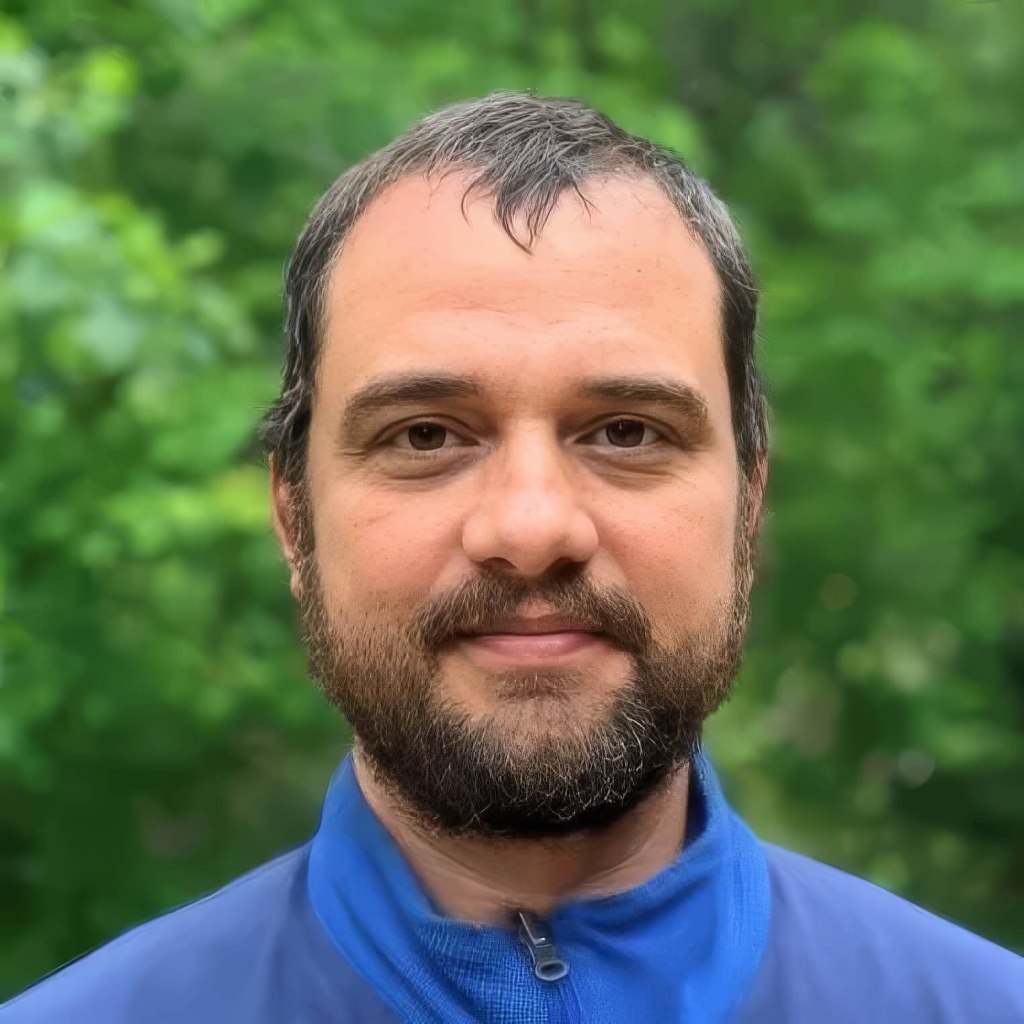
Founder & Director
Mitchell Davis
Read Bio
Mitchell Davis is a publishing entrepreneur and producer whose career has focused on building platforms that connect content, community, and commerce. He co-founded BookSurge, an early print-on-demand company acquired by Amazon that helped pioneer new models for independent publishing and laid groundwork for what would become Kindle Direct Publishing. He later founded BiblioLabs, a software company whose tools enabled libraries and cultural institutions to expand access to local history, digital collections, and community publishing initiatives before its acquisition by the global nonprofit LYRASIS in 2021.
Throughout his career, Davis has focused on helping institutions, communities, and creators activate their stories in ways that are both meaningful and economically sustainable. Based in Western North Carolina, he is also a founder, partner, and resident at Rare Bird Farm, a gathering place for intimate cultural and musical events. His work continues to explore the intersection of storytelling, technology, publishing, and community—creating systems that help preserve stories while making them more accessible, useful, and enduring.
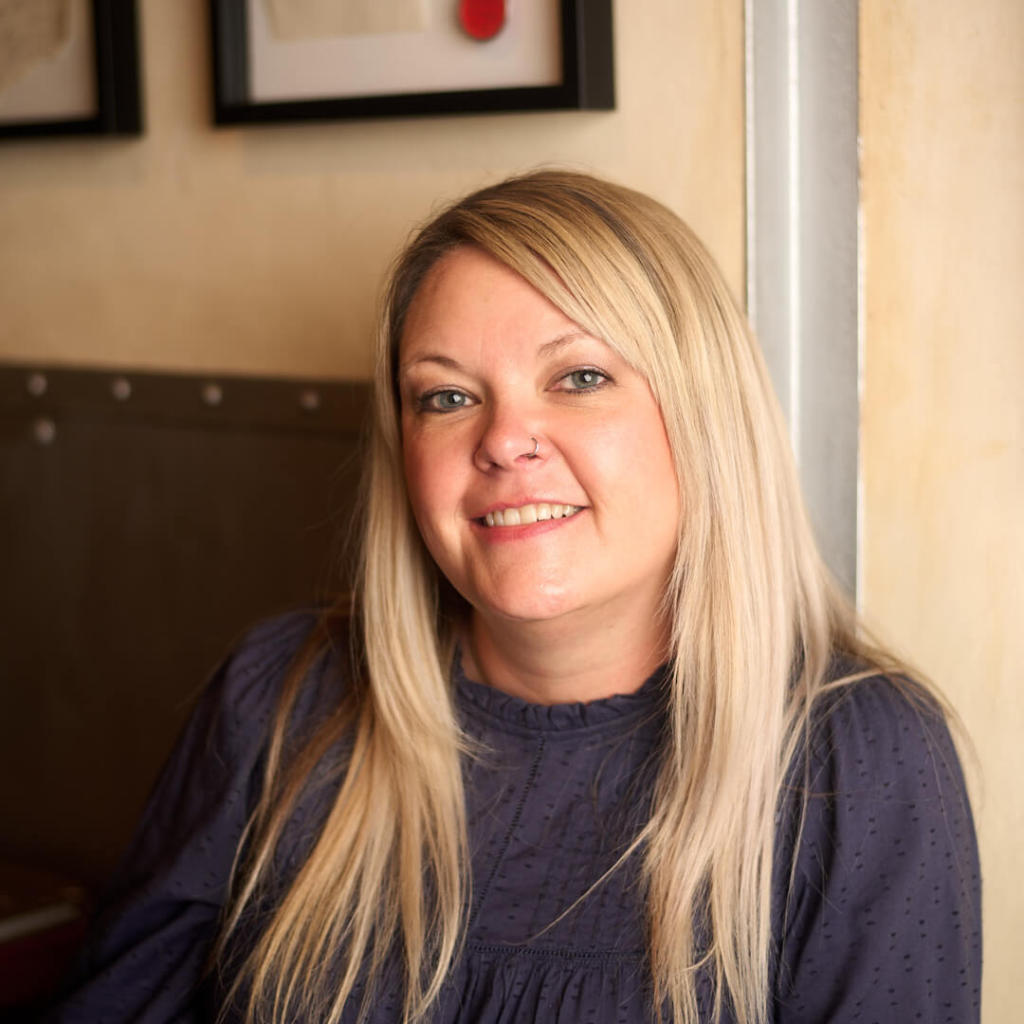
Ambassador & Coordinator
Donna Ray Norton
Read Bio
Donna Ray Norton is an eighth-generation Appalachian ballad singer, storyteller, and culture bearer from the Sodom Laurel community of Madison County, North Carolina. She carries forward one of the oldest unbroken non-Indigenous oral traditions in the United States, learning songs passed down through generations of her family. For Donna Ray, this work isn’t separate from her life. It is part of everything she does, shaped by place, memory, and community.
Alongside her work as a performer, she is committed to documenting and preserving the traditions of her family and community while helping others do the same. Donna Ray believes music and stories are powerful connectors across genres and backgrounds. She loves helping people share their voices to carry their traditions and stories forward. She takes pride in work that ensures these traditions and stories remain rooted, respected, and available for generations to come, continuing not as something remembered, but as something still lived.
Production & Technology
Kevin Reese
Read Bio
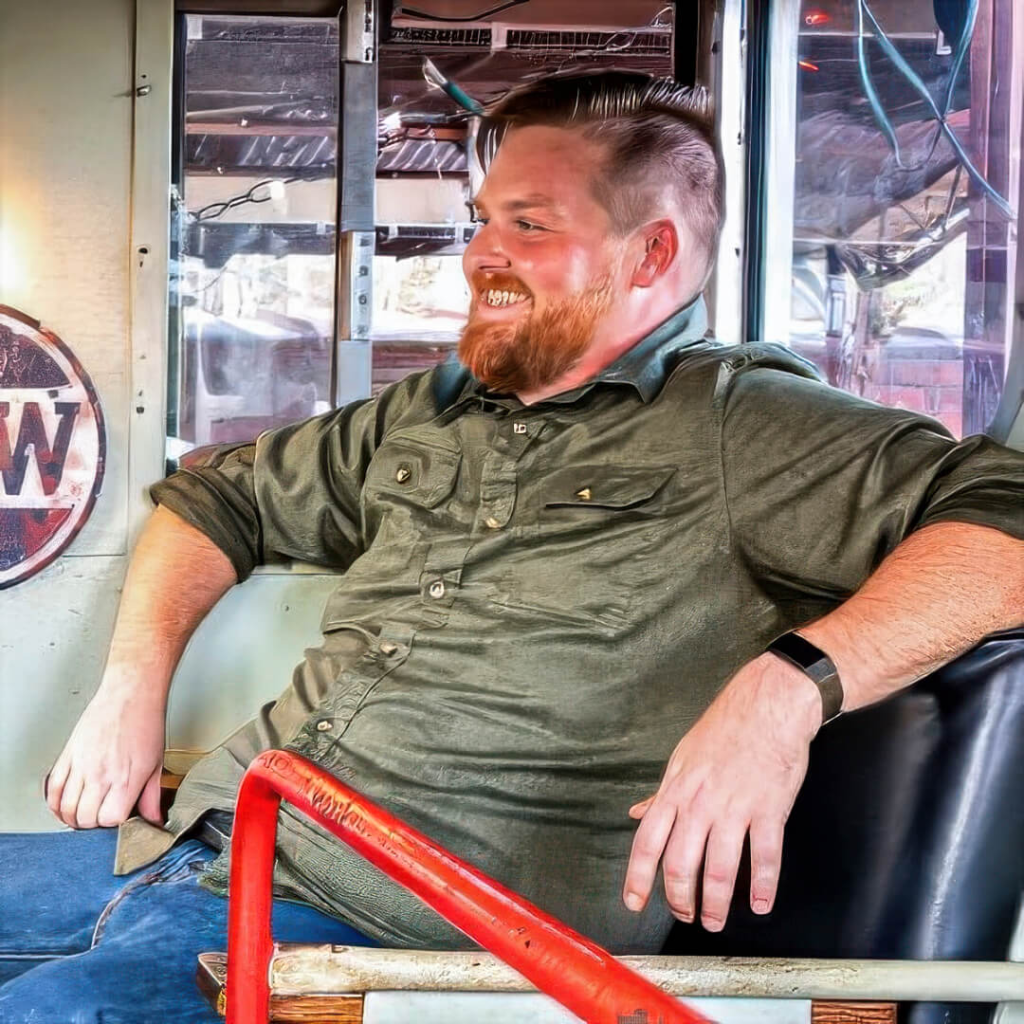
Kevin Reese is a sixth-generation Madison County native whose work is shaped by place, memory, and a close connection to the stories that move through the region. He spent over a decade touring as a musician alongside longtime collaborator Pierce Edens, developing a body of work rooted in Appalachian-infused folk rock and a lived understanding of how artists shape story, audience, and identity over time.
He now works at the intersection of music, public service, and digital storytelling. As Production & Tech Lead at Sound Archive Books, he builds the systems and tools that help artists translate lived experience into cohesive, story-driven books. He also serves as Public Information Officer for the Town of Hot Springs, coordinates at Azule, a nonprofit supporting low-cost artist residencies in Appalachia, and is a Director for Rebuild Hot Springs Area, a community-led nonprofit focused on long-term recovery and resilience in the Hot Springs region post-Helene. Across these roles, his work centers on documentation, communication, and helping stories remain rooted, accessible, and ongoing.
The work continues. Come be part of it.
Whether you’re an artist looking to preserve your legacy, a community with stories worth telling, or simply someone who believes in what we’re building — there’s a place for you here.