Our methodology
Stories are gathered, researched, created, and preserved.
Every book we publish begins with listening. From the first conversation to the final archive, our process is designed around one conviction: stories deserve to be treated with the same rigor and care as any historical record.
01
Gather
02
Research
03
Create
04
Preserve
01
Phase one
Gather
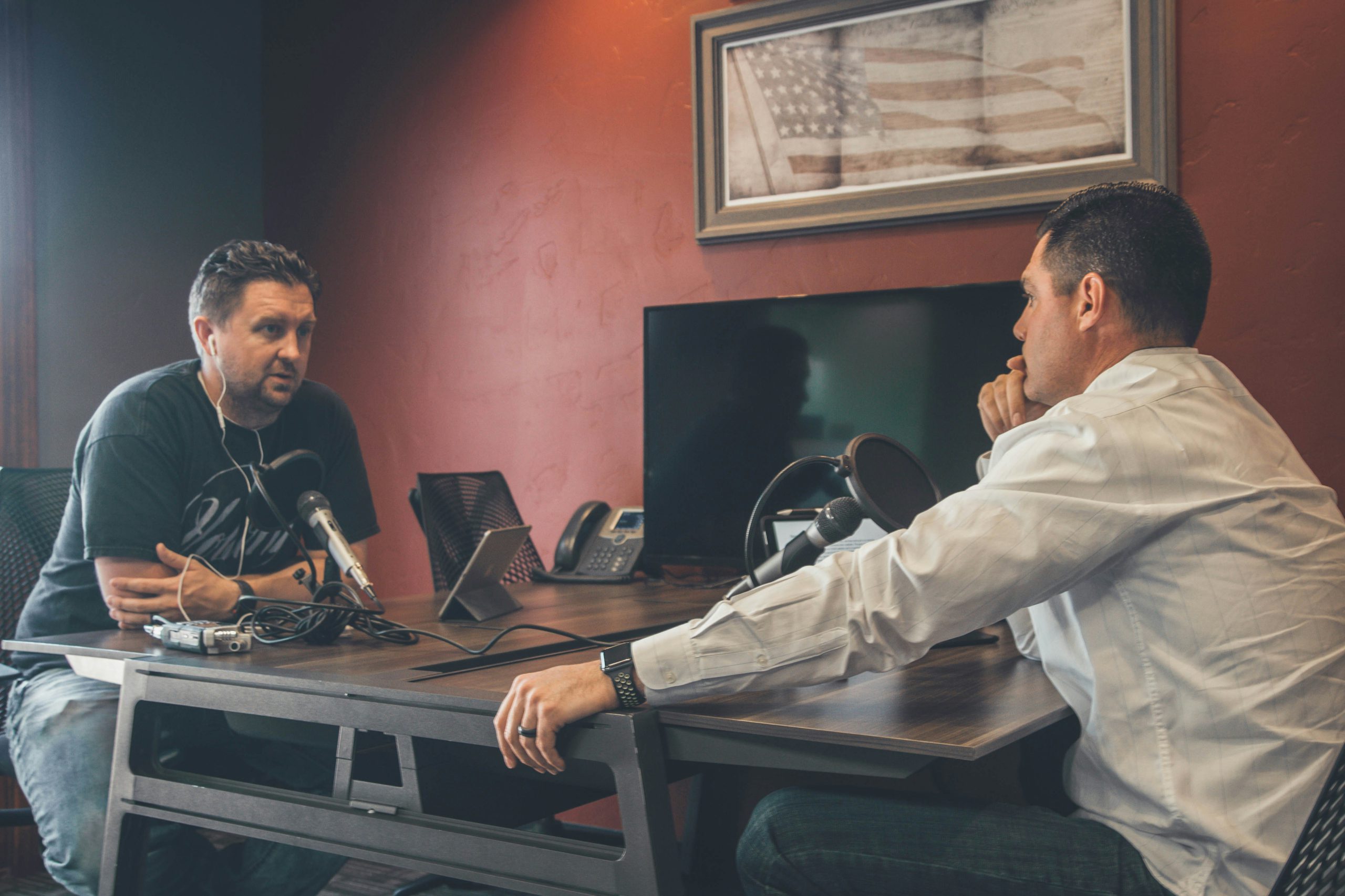
Every project begins in conversation. We conduct interviews, record oral histories, and collect primary materials — photographs, letters, recordings, and documents — directly from the people and communities at the center of the story. This is slow, deliberate work that cannot be rushed.
Oral history interviews
Recorded conversations with subjects, community members, and witnesses.
Primary materials
Photographs, letters, documents, and artifacts sourced from families and institutions.
Field work
On-the-ground presence in the communities and places the story belongs to.
Community listening
Building trust over time — not a single visit, but an ongoing relationship.

Raw material alone is not enough. We situate every story within its broader historical, cultural, and geographic context. Our research process draws on archival collections, library records, regional histories, and scholarly sources to ensure that what we publish is accurate, layered, and durable.
Archival research
Institutional archives, library collections, and historical records.
Source verification
Every factual claim checked and documented before it enters the manuscript.
Contextual framing
Placing personal stories within the larger historical and cultural moment.
Connection mapping
Technology helps us find patterns. People decide what they mean.
02
Phase two
Research
03
Phase three
Create
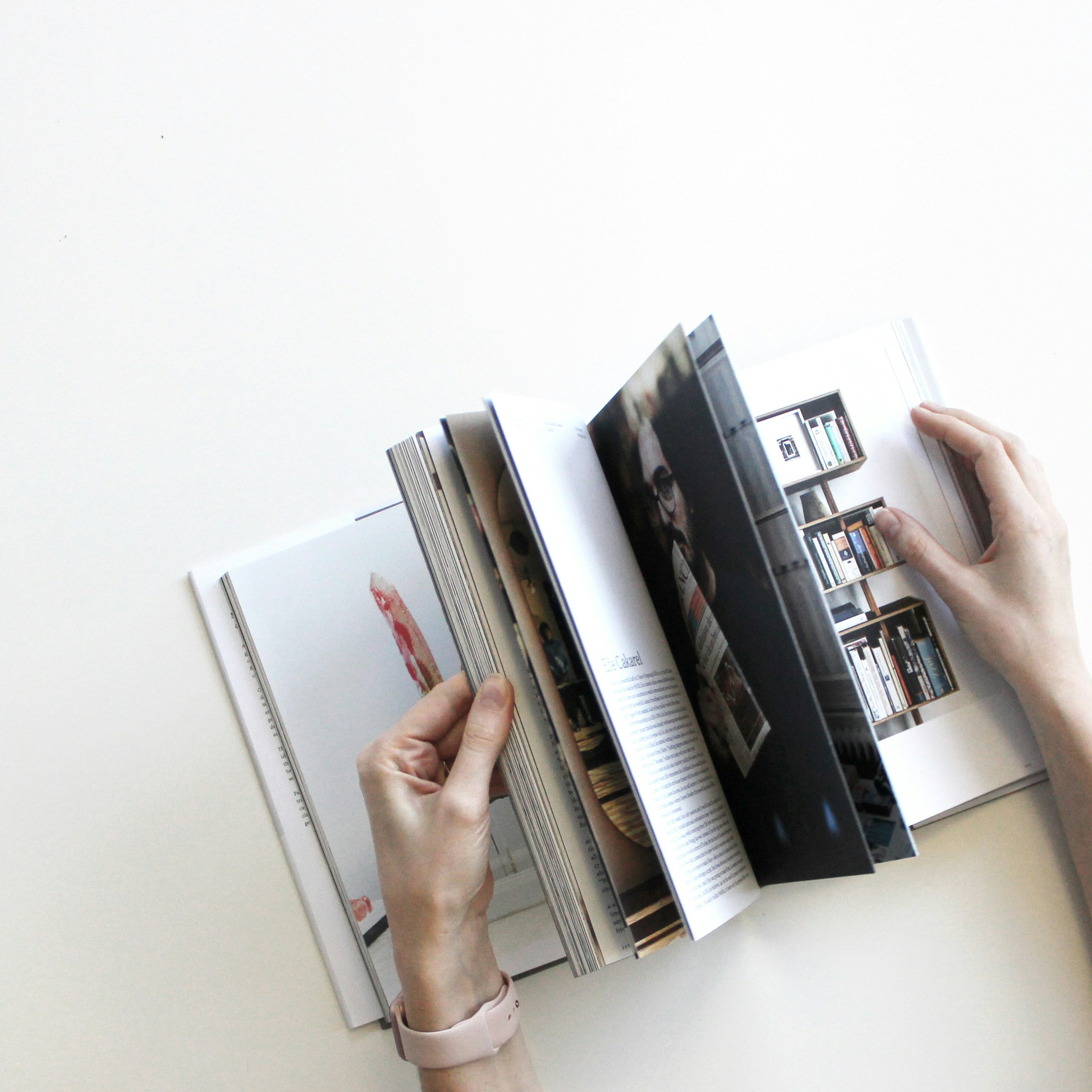
With gathered material and grounded research in hand, we shape the book. This is where editorial judgment, design craft, and narrative skill come together. The goal is never simply to document — it is to create something that can be read, shared, and returned to for generations.
Editorial development
Shaping raw material into a coherent, compelling narrative structure.
Book design
Typography, layout, and image sequencing that serves the story.
Subject review
Collaborating with subjects and communities to ensure accuracy and consent.
Production
Print and digital editions produced to archival quality standards.

Publishing is not the end of the work — it is one output of a larger preservation effort. Every project we complete contributes to a growing archive: digitized materials, oral history recordings, photographs, and metadata organized for long-term access and discovery.
Digital archiving
All collected materials digitized, catalogued, and stored in structured systems.
Redundant storage
Multiple backup systems ensure materials survive beyond any single platform.
Institutional partnerships
Working with libraries and cultural institutions to house collections permanently.
Future access
Organized for discovery — not just stored, but findable by future researchers.
04
Phase four
Preserve
The full cycle
01
Gather
Interviews, field work, primary materials
02
Research
Archives, context, verification
03
Create
Editorial, design, production
04
Preserve
Archive, catalog, access
What guides us
Core principles
Story before technology
Technology is infrastructure, not product. Modern tools help us gather, organize, and connect material at scale — but every decision about what a story means is made by people, not systems.
Community over efficiency
We don’t move faster than trust allows. Building real relationships with the people whose stories we tell takes time, and that time is the work — not a delay before the work begins.
Preservation as publishing
A book is one output of a larger effort. Every project we complete adds to a permanent, growing archive that serves researchers, families, and communities long after the book goes to print.
Research as responsibility
We treat accuracy as a minimum standard, not a goal. Every factual claim is sourced, every historical frame is checked, and every subject has the opportunity to review what we write about them.
Ready to tell your story?
Sound Archive Books is our only client-facing imprint, working with musicians, artists, and cultural organizations. If you’re interested in working with us, we’d like to hear from you.