
Technology & Preservation
The archive engine beneath the story.
Technology is how we gather at scale, organize with precision, and ensure that nothing we collect is ever lost. It is infrastructure — invisible when it works, essential always.
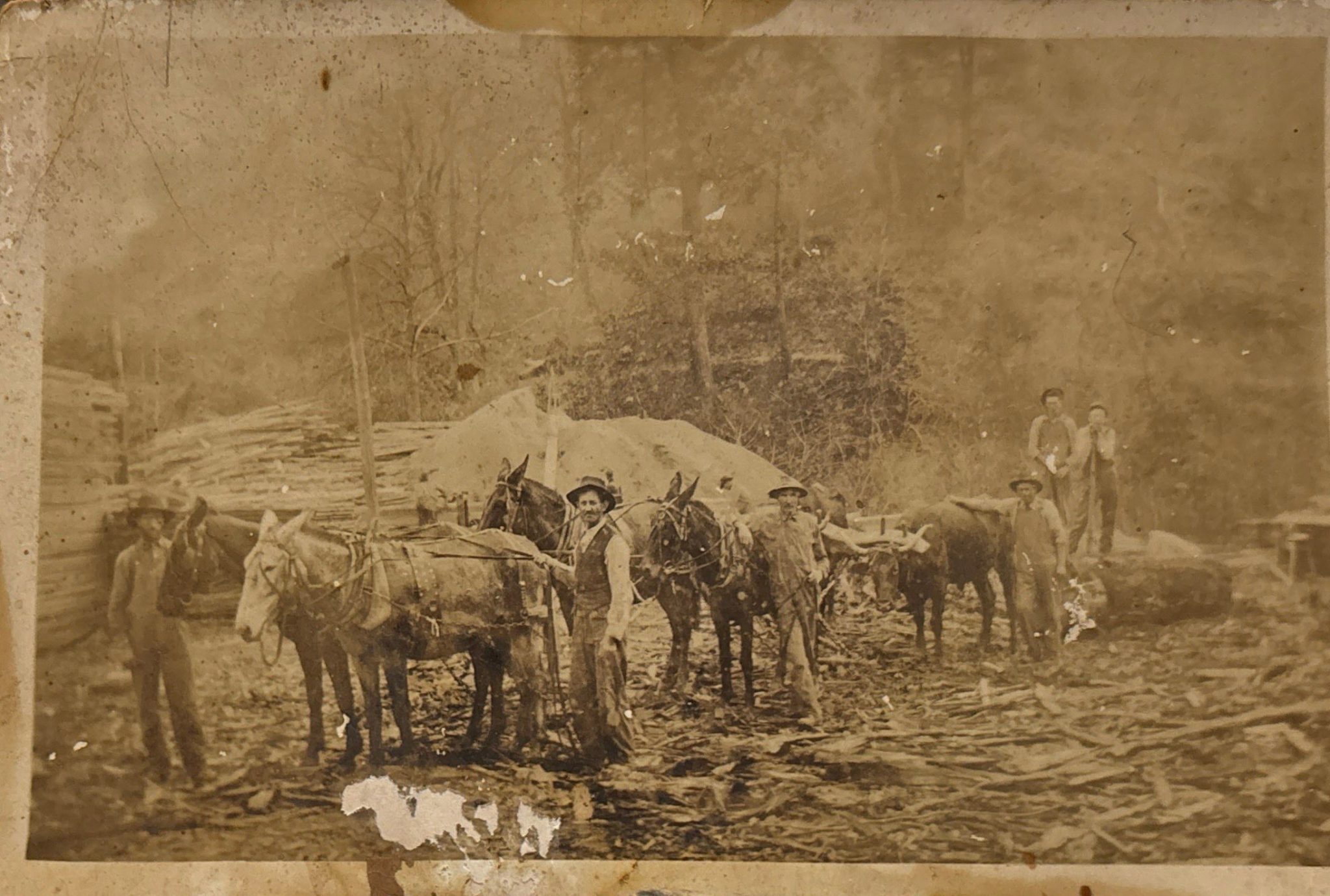
Raw materials
Audio, images, documents, field notes
Organization
Tagging, cataloguing, metadata
Research
Cross-referencing, pattern finding
Books
Published output across all imprints
Preservation
Permanent, redundant, discoverable
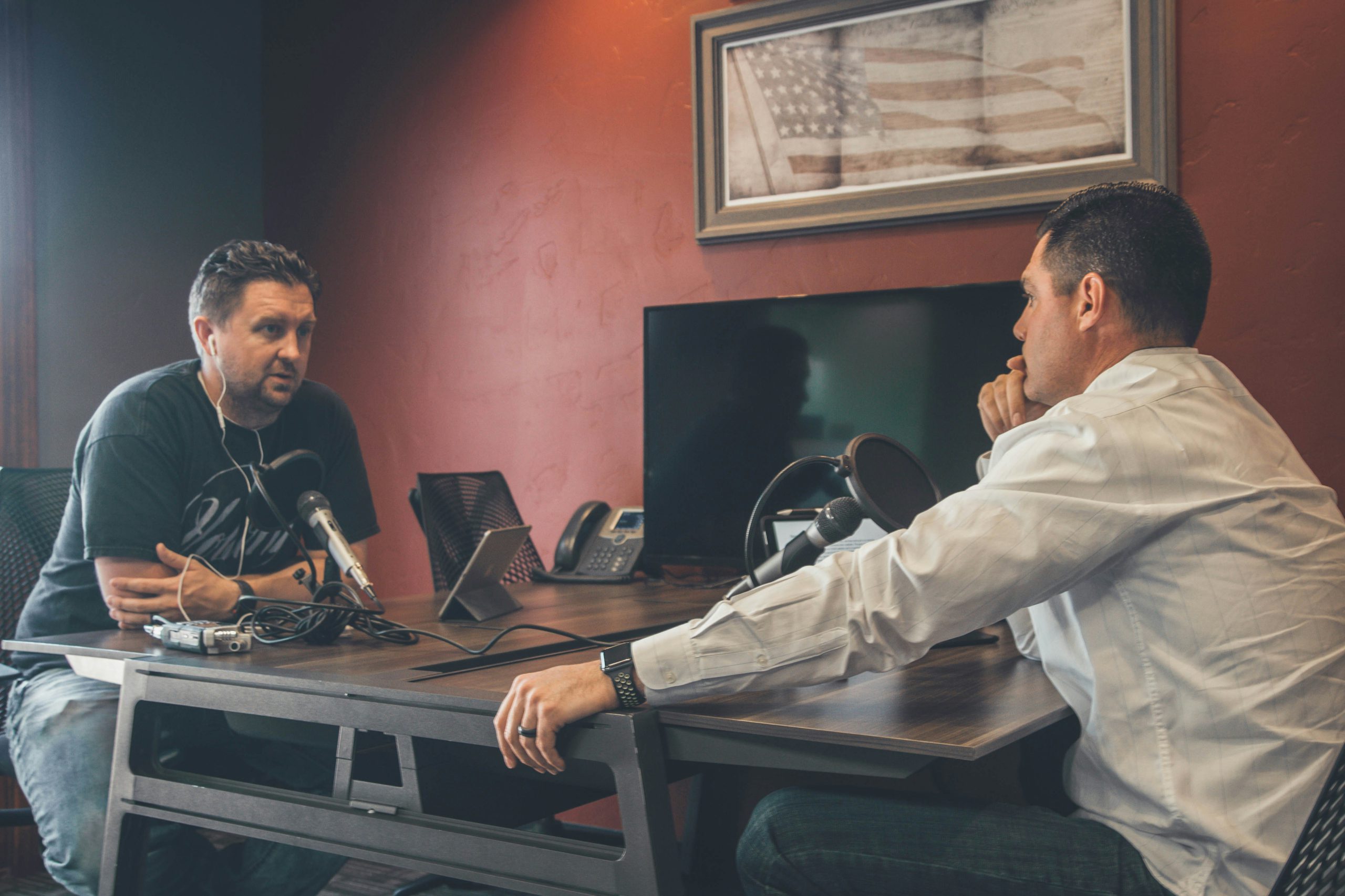
System 01 — Collection & ingestion
Everything starts with capture.
Before a story can be preserved, it has to be gathered. Our collection systems are built around the realities of documentary fieldwork — recording in kitchens and community centers, photographing documents on kitchen tables, digitizing materials from shoeboxes. The tools adapt to the environment, not the other way around.
Audio capture
High-fidelity recording workflows for oral histories, interviews, and field recordings. Automatic backup on capture.
Document scanning
Portable digitization for photographs, letters, and ephemera. Archival resolution standards by default.
Intake cataloguing
Every item receives a unique identifier, provenance record, and condition note at the point of collection.
“The most sophisticated archive in the world is useless if the recording didn’t happen. We prioritize capture above everything else.”

System 02 — Research infrastructure
Technology finds connections. People decide what they mean.
Our research systems help editors and archivists move through large collections efficiently — surfacing connections between interviews, cross-referencing dates and names, flagging gaps. But every interpretive decision is made by a person. The system suggests; the researcher decides.
Cross-referencing
Automated linking of shared names, places, dates, and subjects across the full archive collection.
Transcript search
Full-text search across all audio transcripts with speaker identification and timestamp anchors.
Gap analysis
Tools that surface what’s missing — voices not yet recorded, periods not yet documented.

System 03 — Publishing workflows
From archive to book — without losing anything along the way.
Publishing a book from archival material requires moving between research systems, editorial tools, and production workflows without breaking the chain of provenance. Our publishing pipeline keeps every image, quote, and source record linked to its origin in the archive — so the book and the archive stay in sync.
Source linking
Every element in a manuscript traces back to a specific archive record. Edits update both places.
Rights tracking
Consent and usage rights tracked per item, per subject, per publication — not managed in spreadsheets.
Print & digital output
Single production pipeline generates both print-ready and digital editions from the same source files.
System 04 — Long-term preservation
Stored for now. Organized for the future.
Preservation is not storage. Storage means the file exists. Preservation means it remains findable, readable, and usable decades from now — across format changes, platform changes, and organizational changes. We build for the researcher who hasn’t been born yet.
Redundant storage
All materials stored across multiple geographic locations in open, non-proprietary formats.
Format migration
Active monitoring of format obsolescence. Migration protocols run before formats become unreadable.
Institutional deposit
Collections deposited with partner libraries and cultural institutions for independent long-term custody.
“We are not the last line of preservation. We are the first. Our job is to make sure materials survive long enough to find a permanent home.”
Our philosophy
01
Infrastructure, not product
Technology is never what we sell. It is what makes it possible to do the work at scale without losing the human dimension that makes the work matter.
02
Open formats, always
We do not lock materials into proprietary systems. Every file format we use is one that can be read without our software, our accounts, or our organization still existing.
03
People interpret, systems assist
No algorithm decides what a story means or whether it matters. Technology surfaces possibilities. Editorial judgment and community knowledge close the loop.
04
Redundancy as respect
When a community trusts us with their stories, the minimum we owe them is that those stories survive us. Redundancy is not a technical preference — it is an ethical obligation.
The work is the story. The system is what makes it last.
Learn how our methodology guides what we collect, how we research it, and what we publish — or explore the books that come out of this process.